Leaky & Wet Basement Waterproofing Services
Stop Basement Leaks. Control Groundwater. Protect Your Home.
A wet or leaking basement is more than just an inconvenience — it can lead to costly property damage, mould growth, musty odours, and ongoing moisture problems that affect the comfort and condition of your home. Whether you’re experiencing water seeping through foundation walls, puddles forming along your basement floor, or recurring flooding after heavy rainfall, it’s important to address the problem before it becomes worse.
At Wallguard Waterproofing, we specialize in professional wet basement solutions designed to manage groundwater, control water infiltration, and help keep your basement dry. Our interior waterproofing systems combine interior weeping tile, sump pump installations, and foundation wall dimple board where needed to collect, redirect, and safely remove water before it can accumulate on your basement floor.
Our goal is simple: provide dependable, long-lasting waterproofing solutions that protect your foundation, basement, and valuable investment.
What Causes a Wet or Leaky Basement?
Understanding where the water comes from is the first step toward stopping it.
Basement water problems can develop for several reasons, including heavy rainfall, melting snow, poor exterior drainage, foundation cracks, clogged or deteriorating weeping tile, and rising groundwater levels.
When the soil surrounding your foundation becomes saturated, water begins to build up against the foundation walls and beneath the basement floor. This creates what is known as hydrostatic pressure — the force exerted by groundwater against your foundation.
As this pressure increases, water can find its way through even the smallest openings, including:
- Cracks in poured concrete foundation walls.
- Mortar joints in concrete block foundations.
- The joint where the basement floor meets the foundation wall.
- Cracks and openings in the concrete floor slab.
- Gaps around plumbing and utility penetrations.
- Porous or deteriorating foundation materials.
Without an effective drainage system, groundwater can continue to enter your basement every time the surrounding soil becomes saturated.
At Wallguard Waterproofing, we focus on controlling this water and providing a reliable path for it to drain away from your basement.
Interior Weeping Tile Systems
The Foundation of an Effective Interior Waterproofing Solution
An interior weeping tile system, also known as an interior perimeter drainage system, is one of the most effective methods for managing groundwater that enters around the base of a foundation.
Unlike surface sealants that attempt to cover visible leaks, an interior weeping tile system is designed to collect water at the foundation perimeter and redirect it to a controlled drainage point before it can spread across your basement floor.
How Interior Weeping Tile Works
Our interior waterproofing process typically involves carefully removing a narrow section of concrete floor along the affected foundation walls to expose the footing area.
A perforated drainage pipe is installed within a properly prepared drainage bed along the interior perimeter of the foundation. This system is designed to collect groundwater entering near the wall-to-floor joint and beneath the edge of the basement slab.
The collected water then flows through the weeping tile system toward a sump pit, where a sump pump safely removes it from the basement.
Once the drainage system is installed, the floor is restored with concrete, leaving a functional waterproofing system beneath the surface.
Benefits of Interior Weeping Tile
- Controls basement water infiltration: Collects groundwater before it can accumulate along the basement floor.
- Helps relieve hydrostatic pressure: Provides a drainage path for water collecting around the foundation footing.
- Reduces recurring basement leaks: Helps prevent water from spreading across the floor during heavy rainfall or snowmelt.
- Protects finished basement areas: Reduces the risk of water damage to flooring, drywall, insulation, and belongings.
- Minimizes exterior disruption: Can often be installed without excavating around the outside of your home.
- Provides long-term water management: Creates a permanent drainage pathway when properly designed, installed, and maintained.
Interior weeping tile is particularly beneficial for homes experiencing recurring water seepage along the basement perimeter or where exterior waterproofing is difficult to access.
Professional Sump Pump Installation
Collecting Groundwater Is Only Half the Solution — Removing It Is Just as Important.
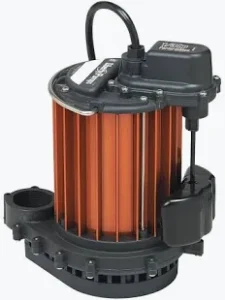
A sump pump is a critical component of many interior basement waterproofing systems. Once groundwater is collected by the interior weeping tile, it needs a safe and reliable way to leave the basement.
A sump pump is installed inside a specially designed sump pit, typically positioned at a low point within the drainage system.
As water flows into the sump pit, the water level rises. When it reaches a predetermined level, the sump pump automatically activates and pumps the collected water through a discharge line to an approved drainage location away from the foundation.
Once the water level drops, the pump shuts off automatically until it is needed again.
Benefits of a Sump Pump System
- Automatically removes collected groundwater: Helps prevent water from accumulating beneath or around the basement floor.
- Reduces basement flooding risks: Provides an effective method of removing water during heavy rainfall and seasonal snowmelt.
- Works with interior weeping tile: Creates a complete collection and discharge system for groundwater.
- Helps protect your belongings: Reduces the likelihood of water damage to stored items and finished basement spaces.
- Improves basement moisture control: Helps limit standing water that contributes to dampness and musty odours.
- Provides added protection: Optional battery backup systems and high-water alarms can help protect your basement during power outages or pump failures.
A properly installed sump pump system is essential for homes where groundwater cannot drain away naturally.
At Wallguard Waterproofing, we understand the importance of proper pump selection, discharge routing, and reliable installation to help ensure your waterproofing system performs when you need it most.
Foundation Wall Dimple Board Installation
Directing Water Downward and Away From Your Basement Walls
In some basements, water doesn’t enter only at the floor level. Moisture can also seep through foundation wall cracks, concrete block joints, or porous foundation materials.
When wall seepage is present, dimple board, also known as a drainage membrane, can be incorporated into the interior waterproofing system to help manage water travelling through the foundation walls.
Dimple board is a specially designed plastic membrane with raised dimples that create a drainage space between the foundation wall and the membrane.
When properly installed and connected to an interior drainage system, this space allows water entering through the foundation wall to travel downward into the weeping tile rather than flowing onto the basement floor or coming into direct contact with finished interior wall materials.
Benefits of Dimple Board
- Controls foundation wall seepage: Directs water entering through foundation walls toward the interior drainage system.
- Protects interior finishes: Helps separate wall seepage from insulation, framing, and finished basement surfaces when used as part of a properly designed assembly.
- **Provides a continuous drainage pa

Signs of Wet Basement Problems
- Water Stains
Water stains along the walls or floor may indicate a wet basement issue. - Musty Odor
A musty, unpleasant smell is another sign. This odor is often due to mold and mildew growth caused by moisture. - Efflorescence
This is white or grayish ash on the walls, usually caused by salts in the concrete being carried to the surface by water. - Mold or Mildew
Mold and mildew can grow in damp environments and are common signs of a wet basement. Mold can harm your health, so it should be addressed promptly. - Damaged Walls
Cracked, bowed, or warped walls can indicate a water problem. When water pressure builds up outside the walls, it can lead to structural damage. - Peeling Paint
Water seeping into your basement can cause the paint on your walls and floor to peel. - Damp, Wet Walls or Floor
This is the most obvious sign of a wet basement. Water may not pool on the floor; it might only make the walls feel damp. - High Humidity
If your basement feels unusually humid, it might be due to a moisture problem. - Wood Rot or Rust
If wooden structures or iron appliances are in your basement and rotting or rusting, respectively, this could indicate excess moisture. - Insects and Bugs
Many insects and pests are attracted to damp environments. If you notice increased pests, this could indicate a moisture problem. - Basement Flooding
This is a clear sign of a severe problem, often caused by heavy rain, burst pipes, or inadequate drainage around your home. - Cracks in the Foundation
This could indicate a severe issue allowing water to seep into the basement.
If you observe any of these signs, it’s advisable to consult with a basement waterproofing professional or a structural engineer to assess the extent of the problem and recommend appropriate solutions.
Leading Choice for Dry Basement Services
Our services and products provide various solutions to dry your basement while focusing on the structural integrity of your home. We cut through the confusion and make waterproofing your basement as painless as possible.
- Basement Drainage System
- Powerful 1/3- 1/2 HP Sump Pump
- Sump Pump with Battery Backup
- Door, Garage & Driveway Drains
- Window Well Replacement & System Taps
- Underground Discharge Pipe to Dry Well or exterior
- Disinfectant (Kills Mold & Mildew)
We offer our services in and around Simcoe county and Muskoka area.
We have become familiar with different foundations in our area to give an accurate picture of what to expect. Our solutions are spot on. No smoke and mirrors. No gimmicky products, just what you need to have the job done.
We are the ‘real thing’ in basement waterproofing delivery, with only honest, accurate information for you to make the best decision.

The Weepingtile System
Wallguard Basement waterproofing installs the best waterproofing systems using advanced, customized, effective engineering solutions. Our systems still have the lowest service requests in the industry. It’s that good.
We don’t use cookie-cutter, rigid, on-the-footing drain channels for a good reason.
The only way to remove groundwater before it turns your basement into a damp sauna is 12 to 14 inches beneath your floor. That way, water will never perk up or rise and touch the bottom side of your floor.
The rigid, on-the-footing drain channels only start working when water is already touching the underside of your floor and sitting in water. It’s too little, too late.
Our approach is genuinely powerful, effective, and configurable to any foundation, whether poured concrete, cement/cinder block, or stone wall foundation.
Our interior waterproofing system protects your basement using two distinct parts:
SUB-FLOOR DRAINAGE SYSTEM:
A maintenance-free, self-cleaning drainage system capable of moving water to your sump pump station without touching your walls or floor.
SUMP PUMP STATION:
A dependable sump pump station that removes water fast enough to keep you dry during the rainiest seasons. Also, during the winter season, our optional Freeze-Free vent will stop the discharge line from freezing, allowing water to continue flowing out of the house during the coldest winter months.
Key features of our sub-floor drainage installation:
Structural Integrity
We create engineering tabs around your floor to maintain the outward pressure to support walls.
Code-Compliance
Original floors are 3 to 6 inches thick & building code compliant. We replace what we take away, which improves resale value.
Concrete Repair
Our proprietary concrete compound for walls has a crystalline component that grows into concrete, strengthening and waterproofing it.
Maintenance-Free
Our drainage pipes are perpetually self-cleaning & never clog. Other systems have costly annual maintenance requirements.
Lifetime Warranty
We guarantee that you will never require an annual flush maintenance program, get mud-clogged drainage or cracks in your treated floor or walls, or we will fix
Powerful Sump Pump Systems
The primary sump pump with our waterproofing system is stronger than the 1/3 or 1/2 HP base models offered by competing basement waterproofing companies.
This pump has a high-water sensor with an audible alarm to notify you when the pump is activated. Included are a silent check valve and a float switch. Learn more about our backup pump/battery that is included with a full perimeter basement system.
Key features of our all-cast-iron sump pump:
Worry-Free Operation
The pump has a top suction design to eliminate clogging & air-locking.
Cast-Iron Construction
Cast-iron pumps are more reliable and efficient than their cheap plastic counterparts.
Heavy-Duty 1/3 – 1/2 HP Motor
This high-performance motor will go far in the worst storms at 50% less power.
Durable Float Switch
Every pump includes a long-lasting million-cycle vertical float switch